
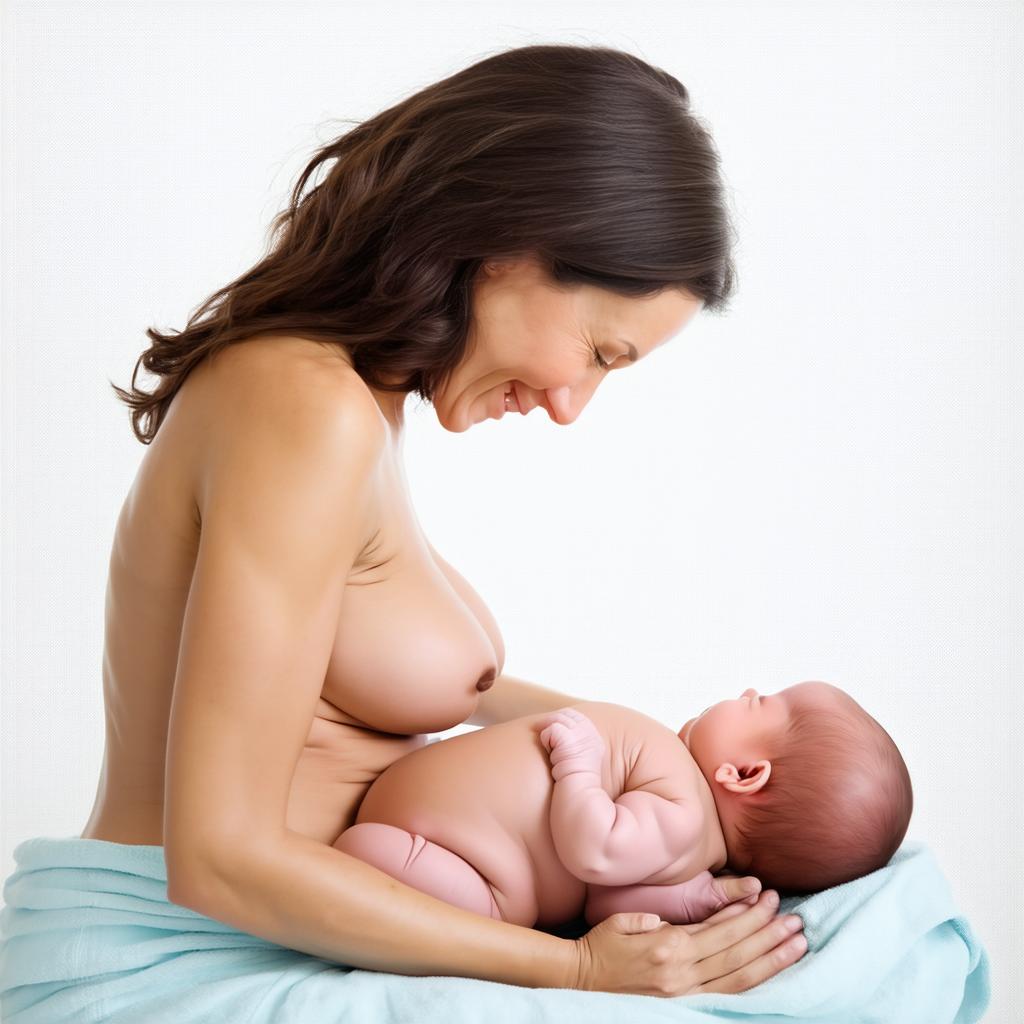
Postpartum Recovery Tips
Overview
Bringing a new life into the world is an incredible experience, but it also marks the beginning of a challenging recovery process for mothers. Postpartum recovery is crucial for a mother’s physical, emotional, and mental health. It can vary significantly from one woman to another, but there are several tips and strategies that can help ease this transition. In this post, we’ll explore essential postpartum recovery tips that every new mother should consider to aid their healing journey.
Understanding Postpartum Recovery
The postpartum period generally lasts up to six weeks after childbirth but may extend well beyond that as each woman heals at her own pace. This phase encompasses both physical and emotional challenges, ranging from physical pain or discomfort to hormonal shifts and mood swings. Recognizing this complexity is the first step towards effective recovery.
1. Prioritize Rest and Sleep
One of the most vital components of postpartum recovery is rest. Newborns often have irregular sleep patterns, which can leave mothers feeling exhausted. However, it’s essential to steal moments of rest whenever possible. Consider these strategies:
- **Take Naps**: When your baby naps, use that time to rest too. Even short naps can significantly recharge your energy.
- **Share Responsibilities**: Don’t hesitate to ask your partner, family, or friends for help around the house to allow yourself adequate rest.
2. Nourish Your Body
Nutrition plays a critical role in recovery. After childbirth, your body requires a balanced diet to heal and regain strength:
- **Stay Hydrated**: Drink plenty of water, especially if you are breastfeeding. Hydration is vital for milk production and overall recovery.
- **Balanced Diet**: Focus on whole foods such as fruits, vegetables, whole grains, and lean proteins. Foods rich in omega-3 fatty acids and fiber are excellent for recovery.
- **Postpartum Supplements**: Consult with your healthcare provider about vitamins or supplements that may support your recovery.
3. Focus on Gentle Exercise
While it might feel tempting to jump back into high-intensity workouts, your body has undergone immense changes during pregnancy and childbirth. Instead, consider these gentle forms of exercise:
- **Walking**: Start with light walks around your home or neighborhood to gradually build your strength.
- **Postnatal Yoga**: Many local gyms or community centers offer postnatal yoga classes, which can be beneficial for relaxation and flexibility.
- **Pelvic Floor Exercises**: Strengthening your pelvic floor muscles is crucial after childbirth. Consult with a physiotherapist for guidance.
4. Pay Attention to Mental Health
The emotional component of postpartum recovery is just as important as physical healing. Hormonal changes can lead to mood swings, and some women may experience postpartum depression or anxiety. Here are ways to prioritize mental health:
- **Connect with Others**: Engage with fellow mothers or support groups. Sharing your experiences can help you feel less isolated.
- **Seek Professional Help**: If feelings of sadness, anxiety, or overwhelm persist, don’t hesitate to consult a mental health professional.
- **Practice Mindfulness**: Consider activities like meditation or deep-breathing exercises to help calm your mind.
5. Schedule Routine Check-ups
Regular visits to your healthcare provider are essential in the postpartum period. These check-ups can help monitor your healing process and address any concerns you may have:
- **Follow-up Appointments**: Typically scheduled around six weeks postpartum, these visits allow your doctor to check on your physical recovery.
- **Breastfeeding Support**: If you are nursing, seek lactation consultations if you encounter difficulties. Your healthcare provider can connect you with resources.
Conclusion
The journey of postpartum recovery is incredibly personal, and each mother’s experience is unique. It is essential to be patient with yourself and acknowledge that healing takes time. The tips shared above can serve as a guide to support your recovery, but don’t hesitate to reach out for support. Remember, self-care is not selfish—it’s a necessary part of motherhood. Take care of yourself so that you can take care of your little one effectively.